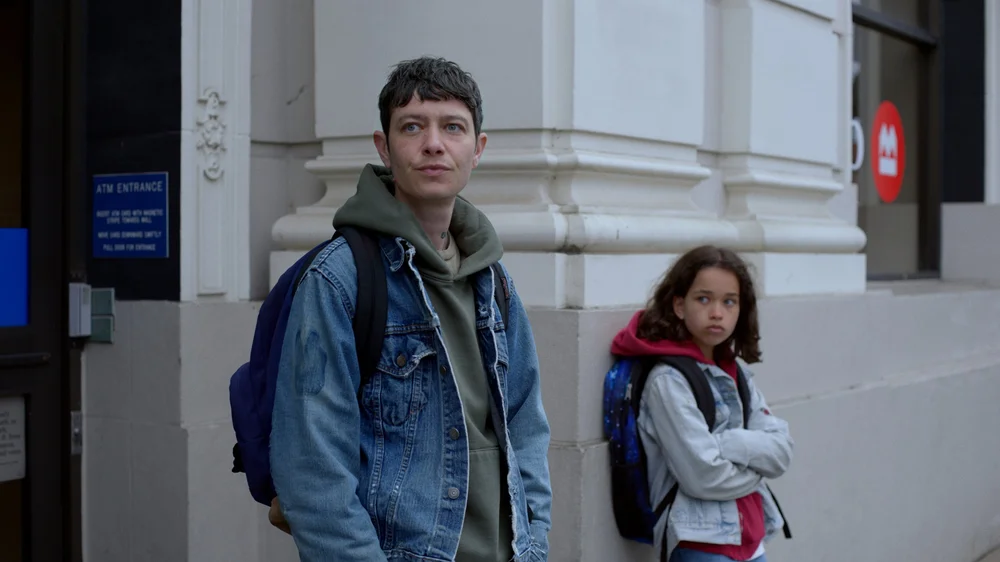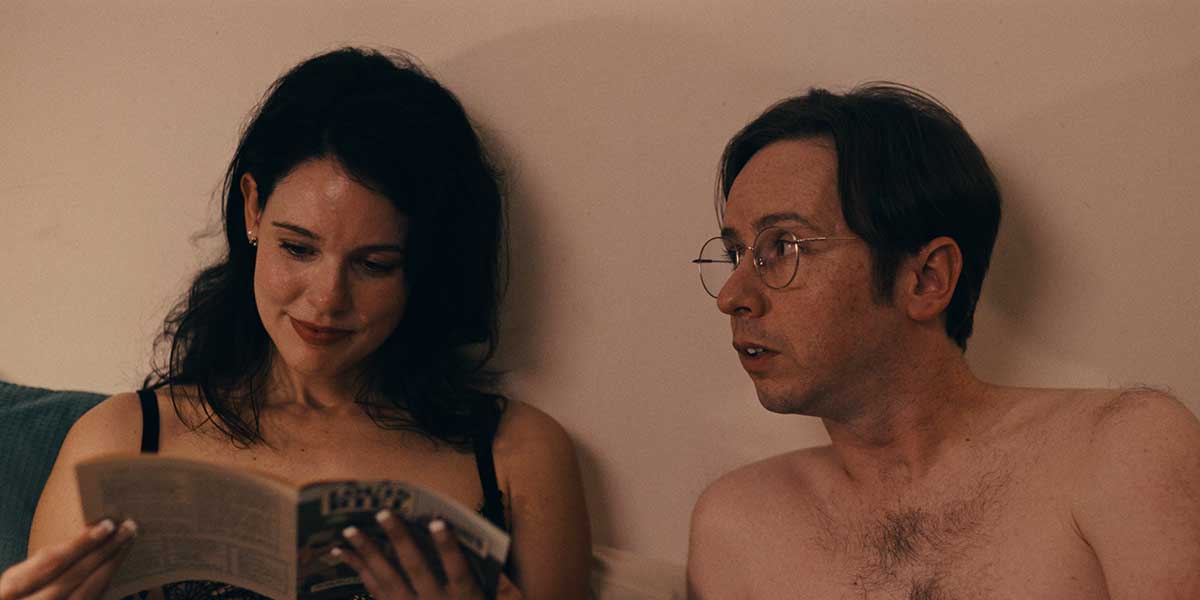

happy new year! friends of high femme spent the last couple of weeks brainstorming and sharing their favorite art of the past year.
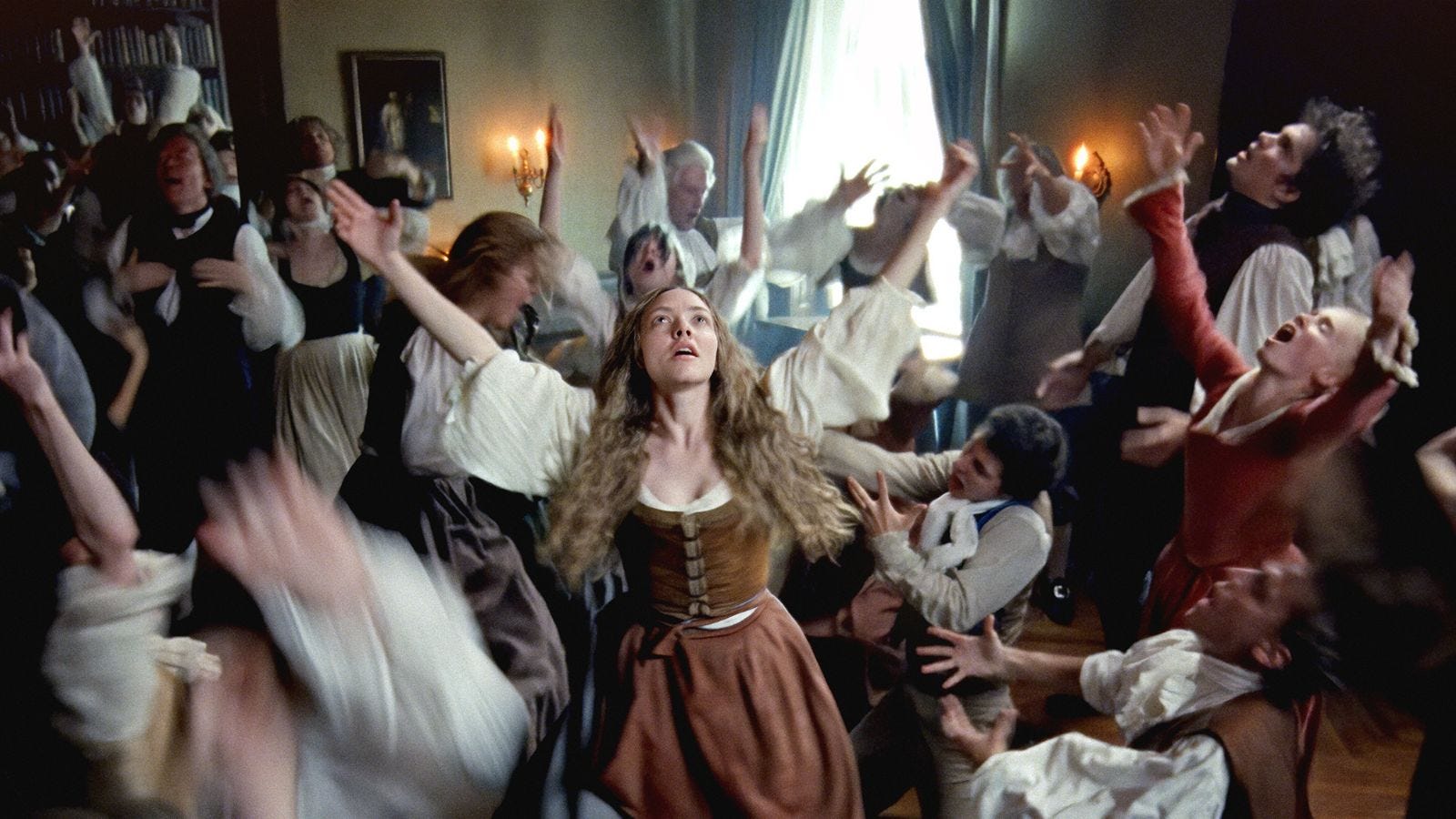
Mona Fastvold’s The Testament of Ann Lee:
“Who would have guessed that a sprawling, kinetic, epic musical about Shakers would skyrocket to the top of my favorite films of 2025? It’s quite simply the kind of movie that makes me want to leap and scream for the love of film. Which is actually pretty Shaker-y of me.” — Sarah Gorr, film and culture critic
Clint Bentley’s Train Dreams:
“One of the great films about losing a partner. It captures the tragedy of hoping that they’ll return from the abyss perfectly. Joel Edgerton gives one of the best performances I’ve ever seen.” — Logan Kenny, director
James Cameron’s Avatar: Fire and Ash
“I’m in the tank for these movies, to be sure, but we all should be. Does it top the amazing technical leaps forward of the first two films? Not really, but how could it. The narrative doesn’t have quite the punch of The Way of Water — but again, neither do most films. What Avatar: Fire and Ash does do, more than either of its predecessors, is draw connections. This is a film released by the Walt Disney Company that shows the vast interconnections between the struggles for indigenous, gender, climate, animal, and disability justice. It explicitly argues for revolutionary violence while giving grace to those who want peace. While James Cameron has been working on this story for decades, the parallels to genocidal violence in Gaza and Sudan and the ethnic cleansing operations by ICE in the US are very clear, and Cameron doesn’t shy away from them. The violence against children and pregnant mothers we see on our news feeds every day is actually represented in popular cinema, and those children and pregnant women are given the chance to fight back, too. The arcs given to the Spider and Quaritch characters reexamine and complicate the not-great white savior and race-swap fantasy themes of the original film. This film destroys most of the binaries established in the first one, suggesting that what divides us isn’t race or gender or species or culture, but compassion. Avatar: Fire and Ash isn’t just a film about how we must respect and protect the natural world, but one that reminds us we are the natural world, and infinitely more powerful when we work together with its other constituent parts. Sure, it’s not subtle, but given how poorly we as a culture have internalized the messages of films like this, perhaps it should be less subtle still.” — Jake Serwin, co-host of “Pod Casty For Me”
David Cronenberg’s The Shrouds:
“At times deeply funny, at times so sincere as to be hard to look at, at times so over-cranked and conspiracy-brained it’d make Q-Anon believers ask for a little restraint; for me, David Cronenberg’s bereavement thriller The Shrouds was the most singular moviegoing experience I had last year. While a handful of mini-trends marked the biggest releases—e.g. parents facing down the horror of losing their kids, expensive “what hath our political moment wrought?”-type reckonings, “movies about movie making,” and so on—Cronenberg delivered this chilly, oddball dark comedy about the hell that is losing a decades-long partner, not only for the hole their death leaves in the day-to-day life a couple shares together, but also, specifically, for what it means to lose the physical body of the person you love. While Hollywood is zigging, Cronenberg, now over eighty years old and twenty plus films into his career, is still zagging as hard as ever. Made in the wake of his own loss—his wife of 43 years, Caroline Zeifman, died in 2017—The Shrouds literalizes his response to her death in the sort of “can’t believe it” way that, really, only a person in Cronenberg’s shoes might think to. In interviews, he expressed wanting to climb into his wife’s coffin as it was being lowered into the ground—a sentiment Croneberg’s stand-in Karsh (Vincent Kassel) also expresses when he loses his wife, Becca (Diane Kruger). A wealthy entrepreneur, Becca’s death spurs Karsh to explore opportunities in the death industry, leading him to develop the “shrouds”: ominous, high-tech burial garments that allow the bereaved to watch, via tombstone-mounted video screen, their loved one’s body as it decays in the ground. And while the last act is marked by the emergence of all sorts of international intrigue and (frankly, kind of silly) AI avatar-centric subplots, it’s the focus on just how isolating losing the person you were genuinely well-matched to and in love with that makes the film work. While your mileage may vary, I found the whole thing incredibly moving and sharp.” — Skyler Hanrath, co-host of “Treks and the City”, Features Contributor to The Onion
Zach Lipovsky and Adam Stein’s Final Destination Bloodlines:
“When that lil booger got turned into spaghetti-o by the piano? Everybody cheered!” — Liz Watson, Walt Disney Animation Studios
Annapurna Sriram’s Fucktoys:
“My favorite film of 2025 is one that hasn’t gotten distribution yet, which is both deeply unfair and a testament to how unique and bold Fucktoys is within the current film industry landscape. Directed, written by, and starring Annapurna Sriram, Fucktoys follows a sex worker who believes herself to be cursed and has to raise $1k to pay for the curse-breaking ritual. What transpires is a campy, transgressive, heartbreaking road trip that never feels derivative of its filmic ancestors, but rather immediately establishes itself as a member of the Camp Greats canon in its own right. Don’t miss Fucktoys if it ever screens near you; it’s proof that “the kinds of films they don’t make anymore” are still being made, they’re just not being supported and pushed by studios.” — Fabiola Liano, writer and director
Lynne Ramsay’s Die My Love:
“I’ve repeatedly seen Lynne Ramsay’s latest described as a movie about postpartum depression; and while that’s not entirely inaccurate, since PPD doesn’t always manifest as sadness, I don’t think it quite captures how fucking angry this film is. Grace (Jennifer Lawrence at the top of her game) rages against the confines of her postpartum life, lashing out at her partner Jackson (Robert Pattinson, perfectly understated) and engaging in increasingly self-destructive behaviors. The film’s perspective sticks closely to Grace’s, plunging us into her psychosis in such a way as to make it feel like a perfectly natural response to her circumstances. And that’s the movie’s magic trick. Ramsay forces us to ask what woman in her right mind doesn’t want to burn it all down after the first year of motherhood. Die My Love is a confrontational and potentially alienating film; but to me, fresh out of the first-year trenches, it felt, shockingly, like a comfort.” — Leah Carlson-Downie, film critic
Michael Shannon’s Eric LaRue:
“2025 was a superb year for my niche of interest: movies directed by actors, better known in my column as Diractors. I saw no shortage of examples — with not all being great — but bad Diractors are as amusing to me as a Diractor being a hidden gem. This is the exact case of Michael Shannon’s chilling Eric LaRue, which came out in the spring with zero fanfare after a lonely Tribeca premiere. Adapted from the play of the same name, and written in response to Columbine, the film focuses on Janice (the great Judy Greer) who is the mother of a high school shooter preparing to visit her son in jail, but not before dealing with the local parents who see her as just as guilty as her son. Janice’s husband, Ron (Alexander Skarsgård), has turned to religion to bring answers to why their son would commit this act of violence. Shannon balances the tone of the movie extremely well, letting Skarsgård be the butt of the joke in contrast with Greer’s performance of sympathetic mom stuck in a state of shock. The film’s dry humor saves the movie from being a complete misery. Shannon’s work reminds me of the masterful The Sweet Here After, another great example of a movie without violence but with deeply felt tragedy peeling a community apart. Shannon is one of 2025’s great Diractors and it excites me to see what he’s interested in doing next.” — Jack Draper, host of the “Exiting Through the 2010s” podcast and writer of Boston Hassle’s Diractors column
Harry Lighton’s Pillion:
“I am both a lover and picky consumer of BDSM films. BDSM is such a ripe space for allegory about romance, surrender, intimacy, and communication, and yet so many film abuse or misunderstand its capacity. Pillion is not that film. I couldn’t sleep the night after I watched it, so overcome to make order of and articulate the sensations Pillion evoked in me: raw-edged desire, raw-edged pain, a sense of belonging, a sense of extreme closeness and extreme distance in tandem. I like it so much, and in such a complex, deeply felt way, that it’s past articulation. What Pillion does is not allegorical (and even more important, not a cloying attempt at “good representation” of kink, barf), but a microcosmic sensorial hit of what subversive sexuality can do — what it gifts us, what it takes from us, how it lets us understand ourselves.” — Veronica Phillips, writer, founder of High Femme
Ryan Coogler’s Sinners:
“Ryan Coogler continues to prove he understands how to tell human stories, even inside loud, violent worlds. The relationship between Smoke and Annie is soft and intimate—an intentional contrast to the chaos surrounding them. Wunmi Mosaku’s performance as Annie deserves way more attention than it’s gotten. Her portrayal of love, loss, and quiet endurance feels deeply feminine without being fragile. Annie isn’t defined by absence but defined by survival, and that’s what makes her unforgettable.” — Mattie Bieberly, culture critic
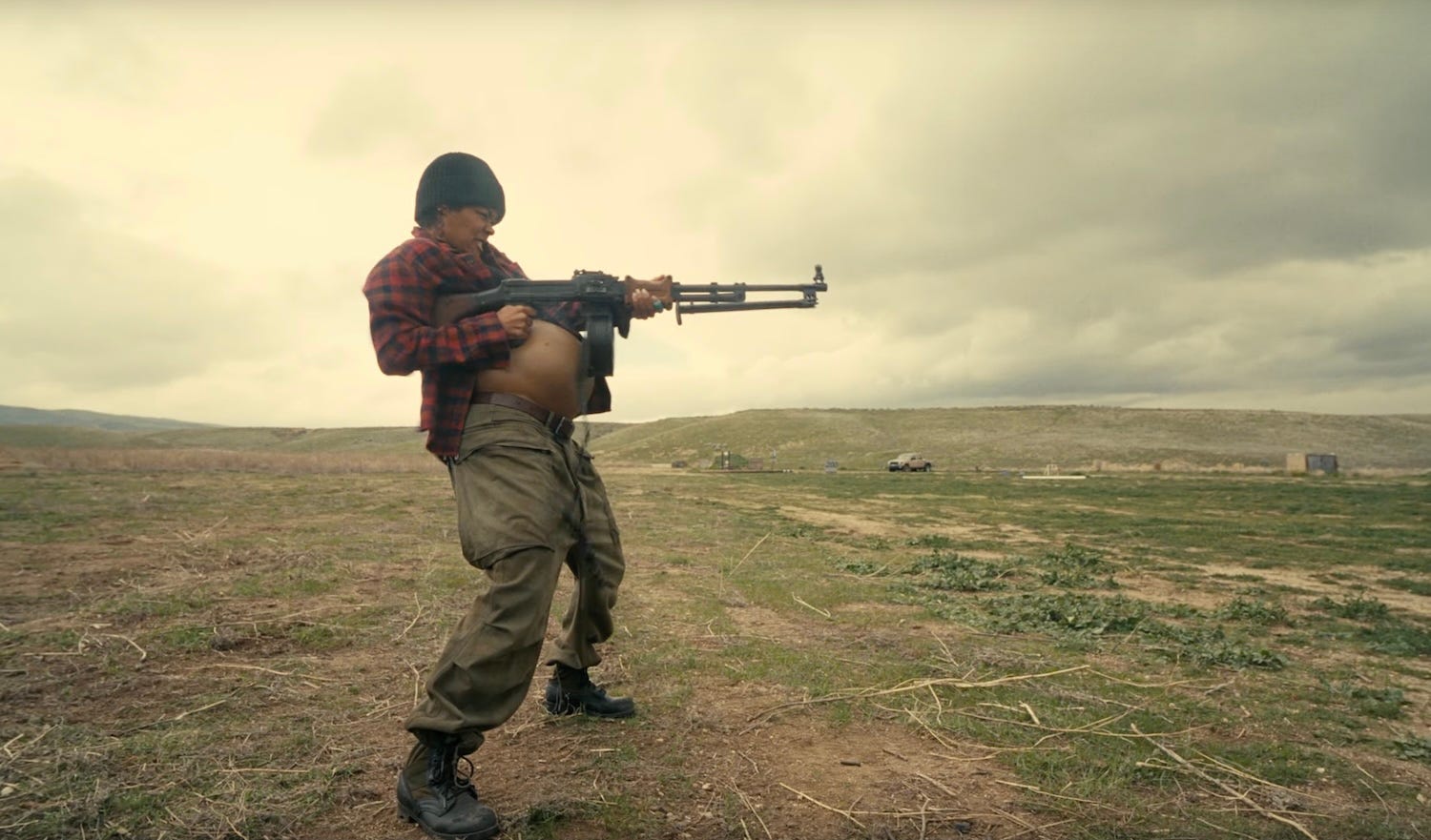
Paul Thomas Anderson’s One Battle After Another:
“A quite psychopathic thing to do, but I saw One Battle After Another in a theatre four times and was levitating after every screening. Both the funniest movie I saw all year and the deepest gut-punch. It captured the absurdity and complications of our exact moment despite being in development for twenty years. Almost three hours long, but propels forward at every moment. To see something like this made at the SCALE that it was made is something we should all appreciate, especially in a world where swings like this are few and far between. Despite the daily horrors of an unhinged government, it was nice to be reminded that white supremacists are, at heart, boring, gross, and impotent nerds who deserve to be ridiculed at every moment of their waking lives.” — Timothy Simons, actor
Severin’s Saga Erotica: The Emmanuelle Collection
“There’s an admirable perversity to Severin’s four-film, 11-disc box set dedicated to the Euro fuck-flicks of the Emmanuelle series, though not in terms of sexual content. No, the gleeful perversity found here is that this monolith contains over 15 hours of special features, critical commentary tracks, 4K restorations, soundtrack CDs, artwork, and a 128-page book dedicated to mining the sexual exploits and meanings within softerotica’s most marquee name. The quality of the actual films is rather variable; however, what makes this box a masterpiece is in how it gathers some of the finest minds in modern film criticism—Kier-La Janisse, Dr. Alexendra Heller-Nicholas, Elizabeth Purchell, Elissa Rose, Gillian Wallace Horvat, Dr. Jennifer Moorman, and (my favorite film writer working today) Dr. Veronica Fitzpatrick, et al.—to use the Emmanuelle saga as a prism through which they comment upon sexuality, bodies, feminism, culture, misogyny, and lifestyle porn/porn lifestyle. A stunning achievement that’s not just archival, but primarily cultural and critical as well. A best-of of our best film minds.” — Travis Woods, writer and professional obsessive
Shinji Sōmai’s Love Hotel rerelease:
“Forty years after its initial release, this sensuous and sad pinku masterpiece has been given a gorgeous 4K remaster, theatrical run, and stunning blu-ray. In it, a sex worker and a trick descend into a carnal, psychosexual inferno of violence, trauma, and ecstasy over the course of a single evening. Years later, a chance encounter with one another sends both their lives reeling into a search for intimacy and understanding. A beautiful, brutal odyssey of physical and psychological connection.” — Travis Woods, writer and professional obsessive
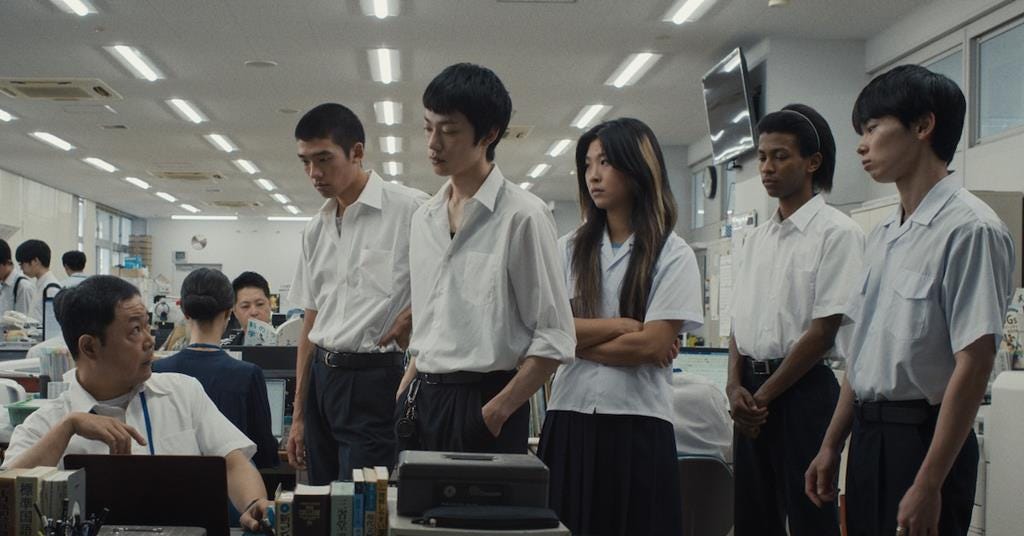
Neo Sora’s Happyend:
“The world of Happyend, Neo Sora’s sublime feature debut, is one of unavoidable political adversity; that is, a world just like our own. For today’s youth, to care about The State of Things is near compulsory. To disregard the exigency of our moment is to foredoom your generation, and those that follow, to a life of increasing immiseration at the hands of those in power. Fitting, then, that this is a coming-of-age film not simply content to show how we live now, but to ask the question, how must we live now? Set in a near-future Tokyo, Happyend follows a group of high school friends navigating all the attendant anxieties of adolescence alongside the 21st century’s intersecting crises — ecological disaster, jingoism, the overreach of the surveillance state. Though the film never shies from sociopolitical critique, Sora deftly balances these proceedings with a beautifully observed, compassionate, often melancholy ode to adolescent friendship, how it bends; where it must inevitably break as we grow into fuller, more actualized versions of ourselves. The tensions between pleasure-seeking and the call toward a greater political awakening become the fertile soil for profound, occasionally painful, personal evolution. There’s an uncommon tonal maturity to Happyend, how it takes seriously the concerns of its young protagonists while never curdling into self-seriousness. It recalls the nuanced work of the Japanese filmmaker Shinji Sōmai, whose exuberant Typhoon Club mines similar dramatic terrain. Formally, the film is replete with gorgeous wide compositions, reflection shots, and glowy interiors that recall late Taiwanese master Edward Yang. Where one of the year’s most venerated auteur projects (and near-certain awards behemoths) peddles in the notion that “the youth will save us all”, Happyend suggests something of deeper complexity and thorniness — that they must first define salvation for themselves.” — Aaron Casias, host of “Hit Factory” podcast
Jia Zhangke’s Caught by the Tides:
“My favorite movie I saw last year was Caught by the Tides. Jia Zhangke wove together two thirds of this film from older footage captured earlier in his nearly three-decade career. Because Jia so consistently works with the same actors — his wife Zhao Tao and frequent collaborator Li Zhubin — he’s able to edit his own archive into a music video-like quasi-narrative spanning a quarter century of change. Not only do Zhao and Li visibly age as their characters connect and break apart over time, China itself experiences the convulsions of the 21st century. The industrial north of the first third where aging relics of Maoism exist alongside excitement over a successful Olympic bid, no longer exists. Nor do the Yangtze-adjacent communities buried underwater by the construction of the Three Gorges Dam, which provides the backdrop to the film’s second part. The final third brings us forward to a post-COVID present defined by frictionless technology — a shift that hits viscerally after we’ve time traveled in such a tactile way. True to the name, you can let Caught by the Tides wash over you, getting borne along by the current of history.” – Alison Herman, TV Critic at Variety
Danny Boyle’s 28 Years Later:
“I came out of the theater one evening in June of 2025 after having just watched Danny Boyle’s, 28 Years Later, and opened Twitter (as one does) to find that, during the time I’d been in the theater watching the movie, we had officially gone to war with Iran. Something that’s been on my mind for months—more likely years—is the experience of Western Empire’s violence through mediated forms, the rhythms, modes, and aesthetics of the media environment within the Western Empire, and crucially, their effects on us as a tool for desensitization and enforced acquiescence to imperial systems of violence. With every day that passes and new (and familiar) horrors emerge, as circumstances of a barbaric world order run by gestapo regimes seem to only intensify, my panic around this desensitization as a mechanism for conjuring our continued acceptance and enforcing our captivity has intensified. I started thinking about what kinds of things (particularly in the realm of cultural production, where we spend so much of our attention, and do so much sense-making about our material realities) could interrupt the hold the Language of Empire has on us. Oddly enough, a franchise film, a Hollywood blockbuster, gave me an answer. 28 Years Later manages to operate with much of the formalism of epic poetry of the past—works of art that manipulate and expand current formal modes of communication and aesthetic to create new ones that wrest engagement from us and force us to register emotional, psychological, and corporeal response. I could go long on how 28 Years Later does this (I did), but suffice it to say, it is a surprising work utilizing the Language of Myth, a language so required right now when we’re living in the time of genocide and trained in a refusal to mourn.” — Carlee Gomes, film writer and co-host of the “Hit Factory” podcast
Mike Flanagan’s Life of Chuck:
“Dear Quentin, As we look back at the movies of 2025, I thought I’d draw your attention to one of my favorites, The Life of Chuck. It’s an original and entertaining story, propelled by mystery and told in a manner that gives the audience due credit to put the pieces together without spoon-feeding. I won’t belabor my recommendation with a protracted recounting, but suffice it to say it’s a film imbued with enough heartfelt detail to warrant more than one viewing. Without giving too much away, I want to tell you about one standout performance in The Life of Chuck. It’s the small, secondary role of the affable neighbor Gus, who, even in the face of possible global annihilation, tries to maintain an upbeat attitude as he kibitzes with his friend. Gus only appears in the one scene, but the actor’s deft performance steals the show in the opening act. While his portrayal reflects a shared sense of befuddled resignation among the other characters, it’s in Gus’s momentary, visceral flashes of fear, grief and vulnerability that your heart breaks for Gus and, by extension, the entire doomed populace. It’s truly a wonderful bit of acting by Matthew Lillard, who shines among the film’s worthy ensemble cast. You really should check it out, Quentin. Then maybe send Matt a note or an edible arrangement or something.” — Bill Phillips, filmmaker
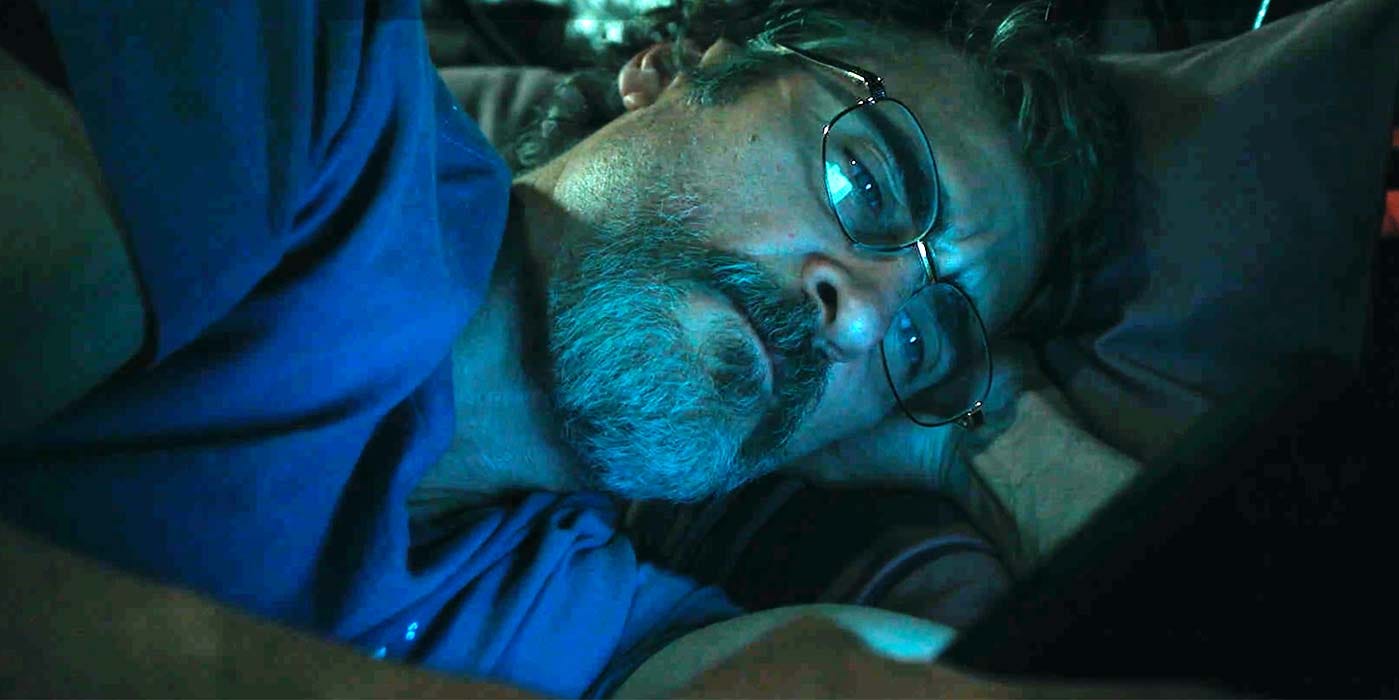
Ari Aster’s Eddington:
“Through Ari Aster’s Freudian wry humor, Eddington skewers the neurosis of a castrated patriarchy in crisis and illustrates how impotence drives authoritarianism by showcasing a COVID-denying, mediocre sheriff who makes half-assed Machiavellian moves while ultimately being propped up by big tech and political insiders.” — Eamon Tracy, film writer
“I only really saw one movie from 2025 and it was Ari Aster’s Eddington and it was awesome. Not a day has gone by since I saw Eddington a week ago that I haven’t thought about Eddington. I am Eddington pilled.” — Molly Lambert, journalist and host of “HEIDIWORLD” and “JENNAWORLD”
Josh Safdie’s Marty Supreme:
“Marty Supreme leverages Josh Safdie’s signature frantic energy, portraying a determined young man with an endless thirst for capital. Safdie’s use of glistening 80’s synth pop against its 50’s period works wonders (and is quite kismet since the Cold War reached its most dangerous heights during both decades).” — Eamon Tracy, film writer
Mascha Schilinski’s Sound of Falling:
“Sound of Falling so instantly emerged as the most remarkable cinematic achievement of the year for me that, after watching it, I cleared my festival schedule the following day to see it again. Mascha Schilinski’s century-spanning German epic is a visual poem about time, memory, and gendered violence that unfolds across four generations of women connected to the same rural farmhouse. The film collapses these timelines by slipping in and out of different eras in German history to reveal the cyclical nature of their transgenerational trauma. What moved me most was how the film frames women as constantly watched through subtle rituals of looking and being looked at. Schilinski suggests the male gaze as a historical system that repeats itself across time, subtly reshaping women’s lives into a state of perpetual performance. The atmospheric cinematography reverberates this sense of looking by observing the single location and its inhabitants with voyeuristic patience, forcing the audience to feel implicated in the act of the gaze. This violence is often implied through lingering stares, invasive questions, or psychological pressures, making it feel even more pervasive. Scenes bleed into one another across time without warning, creating a sense that these women are in constant cosmic conversation with each other, even if they never meet. It’s a quiet epic, and it reminded me why I care so deeply about cinema and its ability to make the invisible visible, to feel the pulse of sociological conditions, and to confront audiences with the need to reckon with our role in these unspoken patterns.” —- Danny Jarabek, Editor-in-Chief of The Rolling Tape
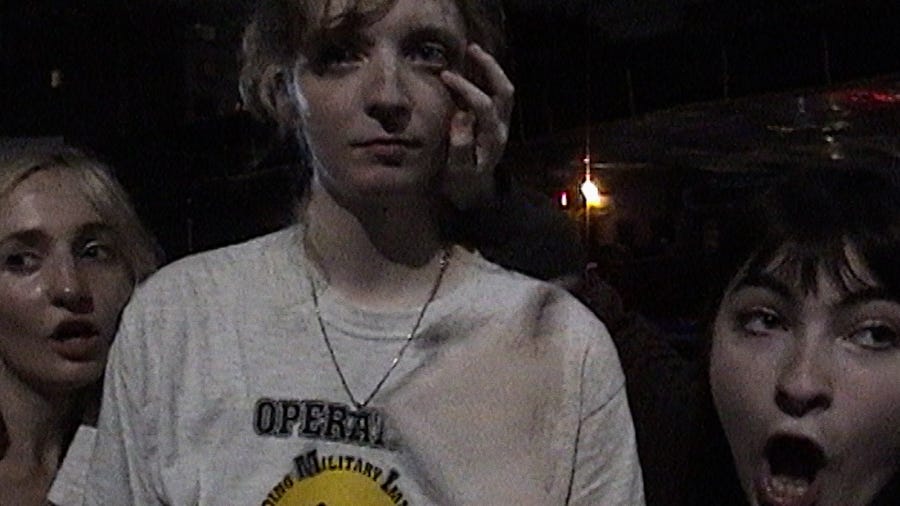
Louise Weard’s Castration Movie Anthology ii: The Best of Both Worlds:
“A five hour document of what the world forces trans women to do. Backed into a corner, stripped of opportunities for community or family on the surface. Being forced underground, into cannibalizing ourselves. Recreating the same modes of torture used on us above because we’ve been shown nothing else. Being exploited for the amusement of one who pretends to have our best interests in mind. Until stripping ourselves of our own identity seems a better alternative. Trying again to fit into what society dictates is acceptable because it seems safer. But it’s just a circle.” — Jane Altoids, poet, most famous person in the world
Jon M. Chu’s Wicked: For Good:
“Was not expecting such elevated ruminations on the legitimacy of altruism in a blockbuster sequel. I started crying when they sang “For Good” and tried to hide it from my boyfriend until I realized he was crying too and then we cried together.” — Brooke Metayer, writer
Alex Ross Perry’s Pavements + Pavement, the band:
“In 2025, I got really into Pavement. I was watching a screener of the Alex Ross Perry film about the band, which is part-documentary, part-fiction, all goofy and 90s. I was charmed by the boys and the way people talked about their music. Listening to their first two albums felt like magic. It was a sound that felt familiar, like a recovered memory. Pavement made me feel like a kid again. There’s a kindness and warmth to the sound. A playfulness that doesn’t feel ugly. Intelligent in a casual way. It reminds me of a time when everything didn’t feel fucked beyond repair.” — Jourdain Searles, film critic and programmer
friends of high femme’s favorite television:
Jacob Tierney and Rachel Reid’s Heated Rivalry:
“When I think about the cultural highlight of 2025, I have a recency bias towards Heated Rivalry, a beautifully shot, thoughtfully scored, wonderfully acted, and incredibly sexy romantasy show about love in the closet. The show is such a fantasy that three teams in one major hockey league division are captained by gay men. And because it’s a fantasy, the conflicts are easily resolved and the stakes, primarily of their coming out, are low. Shane (Hudson Williams) comes out to his parents, and there is immediate acceptance. If Ilya (Connor Storrie) were to have come out to his father, it would have created an expansive conflict, but no worries, his father dies, and Ilya is free to go to the cottage. Still, I’ve watched Heated Rivalry three times now. It’s a comfort blanket that has low conflict but a highly rewatchable tension, thanks to a natural chemistry between its stars. Storrie and Williams have taken that chemistry on the press tour for the show as well, making not just the show, but these actors, ubiquitous in the current culture. They are at risk of overexposure, but ironically the one thing left unexposed, quite carefully, is their sexualities. Their real lives are now a more conflict-ridden fantasy than their show: if star hockey players Shane and Ilya come out within their world, everything will work out—it has to. If the overnight celebrities who play Ilya and Shane reveal their sexualities, no matter what they are, they run risk of pigeonholing their fledgling careers or disappointing the fans that connected to their seminal queer characters. So while Heated Rivalry has few stakes, I feel great trepidation for its stars.” — Philip Anderson, writer and flâneur
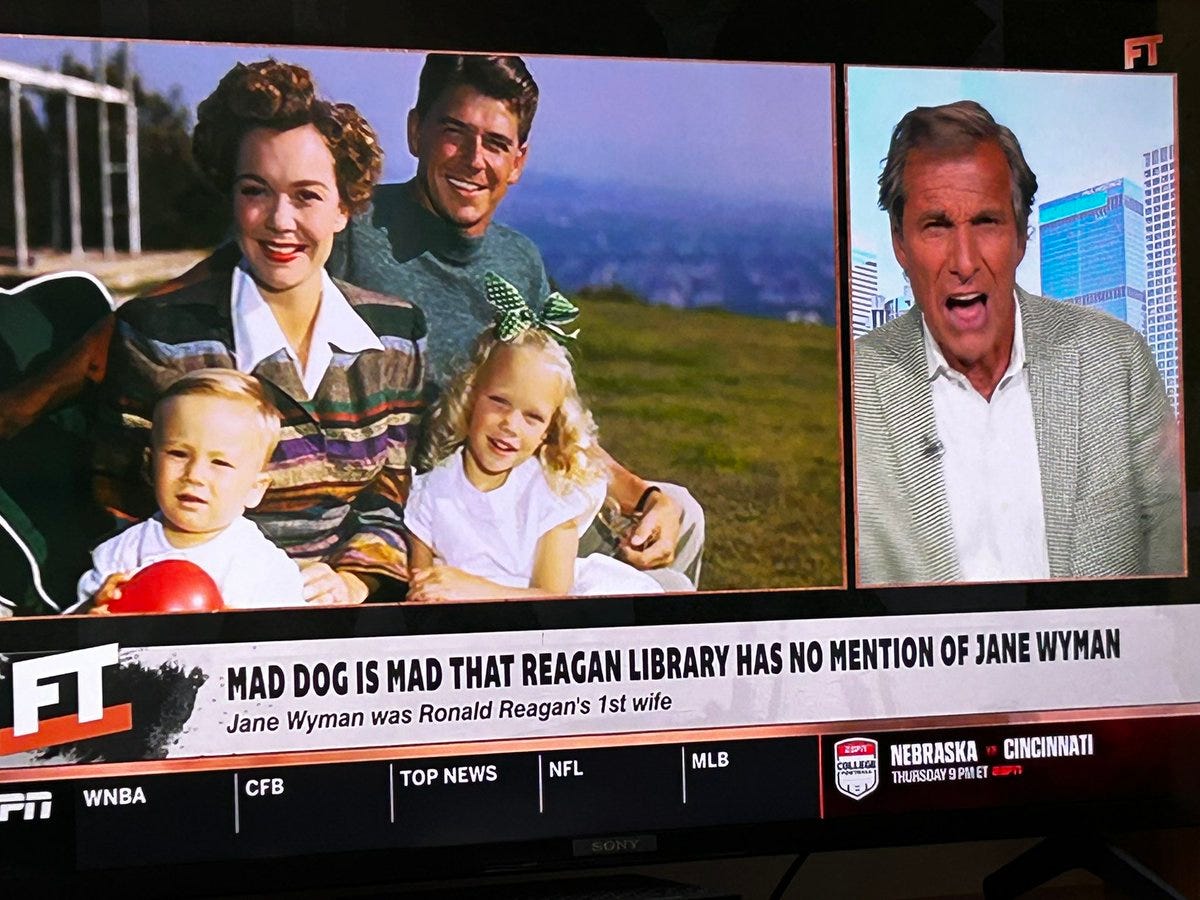
Chris Russo’s “What Are You Mad About?” segment on First Take
“In assessing what I regard as “the best of 2025”, I could tell the good folks at High Femme my favorite movies (they’re the same ones you liked) or shamelessly self-promote the ones I was involved in (Eephus, Castration Movie Anthology ii: Best of Both Worlds), I could tell you my favorite album (sorry lost the ability to stay current on music years ago), my favorite book (re-reading True Grit for the third time), my favorite streamer or podcast (I hate all of them), so I’m left with the dubious comforts of television. For my entry I will state that Chris “Mad Dog” Russo’s weekly segment on ESPN’s flagship morning show First Take, “What Are You Mad About?” is my favorite television of the year. For the uninitiated, towards the end of the second hour on Wednesdays, they let Mad Dog, a Godfather of NY sports talk radio, a man one time described as a “human Donald Duck” and someone I regard as a comfort character, rant about three things that annoyed him over the past week. Usually Chris gets in a fine lather about a coaching decision that cost him money on a game he was gambling on—usually punctuated by his catch phrase/exhortation to God himself, “strike me down!”— or holidays and family members that vex him, but my favorite “Mad About” segments are ones that venture outside of the world of losing money and sports, such as the best moment in television this year which occurred on August 27th, where Chris was furious about a recent visit to the Reagan Library in California and his discovery that any mention of Reagan’s first wife, the great actress Jane Wyman—star of All That Heaven Allows and The Lost Weekend—had been expurgated from the museum. This was the perfect confluence of all my interests in the unexpected and thrilling medium of daytime sports blather.” — Will Menaker, host of “Chapo Trap House” podcast
Nathan Fielder’s The Rehearsal, Season Two:
“As an autistic person, The Rehearsal’s handling of the condition (and Fielder’s refusal to acknowledge a potential diagnosis of it) was remarkably powerful. The comedic ambition is as seismic as ever, but few things affected me more in 2025.” — Logan Kenny, director
Tony Gilroy’s Andor, Season Two
“Tony Gilroy did something I wasn’t sure was possible. He made an incredible show that is a Star Wars prequel, based on a character who first appeared as an unremarkable supporting protagonist in ANOTHER prequel project. Not only did he deliver an extraordinary season of television in 2022 based on a Disney property, but he also made the second season even better. Anytime I talk about Andor, it’s almost pure hyperbole, and this blurb won’t be any different. As someone who deeply loves Star Wars but has been disillusioned by the amount of mediocre live-action glut we’ve gotten from the franchise since 2019, this show was everything to me in its short run. Not in a million years would I be able to predict that a Star Wars show could become one of the most politically rich shows of the last five years. Gilroy’s study of the history of rebellions/revolutions, paired with his staunch commitment to have that history the very foundation of the show, was truly exhilarating to witness. It’s paired with the best performances the Star Wars universe has ever produced and monologues so well written that you would jump out of your chair and punch the air in excitement.” — Clay Williams, film podcaster
FOX’s The Floor, Season 4:
“IDK what season of this Fox reality TV game show came out in 2025, all I know is that every other week or so I show up at my friend Alix’s house and join a room full of people shouting at a screen for a few hours. This ritual fulfills two of my basic needs: quality time with my friends and ruthless judgment of strangers on TV.” — Brooke Metayer, writer
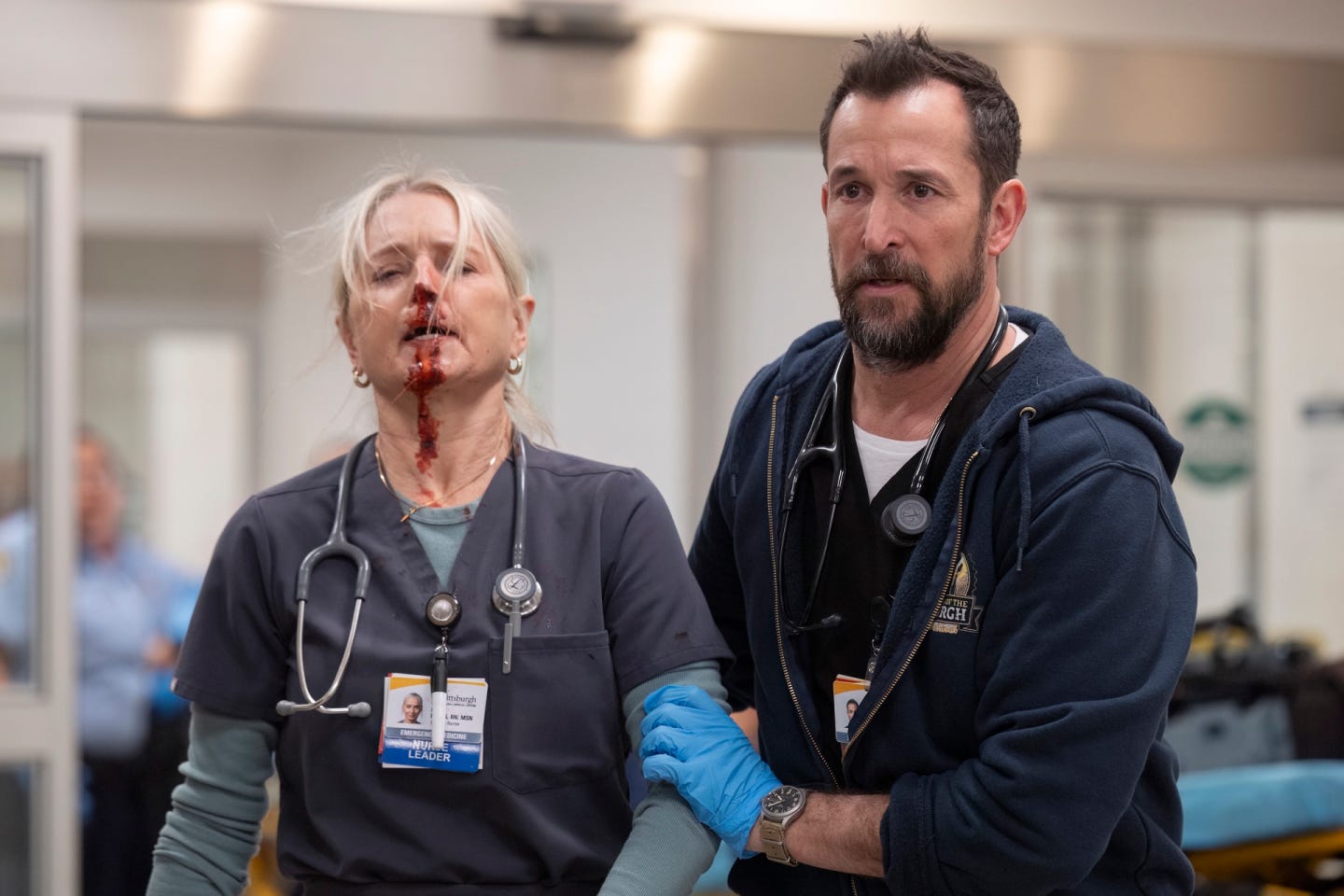
R. Scott Gemmill’s The Pitt:
“Even though I spend most of my free time at the movie theater and write all about it on 11am Saturday there was one other thing that dominated my cultural diet in 2025: The Pitt. There’s simply no joy like tuning into a highly captivating TV show on a set day every week, then passionately discussing the episode with your friends after. At a time when so much of the cultural landscape seems to be tilting towards easily digestible content to watch while scrolling on your phone, I’m increasingly charmed by this show that challenges its viewer while it entertains. Can’t wait to see how season 2 unfolds.” — Ezgi at 11 AM Saturday, writer
friends of high femme’s favorite music:
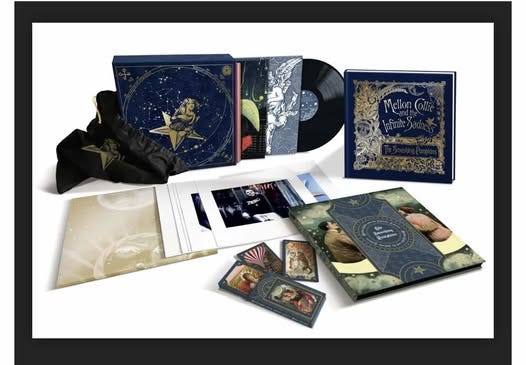
Smashing Pumpkins’ 30th anniversary rerelease of Mellon Collie and the Infinite Sadness:
“I spent a lot of 2025 listening to music that was new to me…but not necessarily new in 2025. However, The Smashing Pumpkins released the 30th anniversary edition of Mellon Collie and the Infinite Sadness – and me, a formerly passive TMP fan, fell head over heels in love. There’s something about a remaster paired with grittier live versions that gets my heart going…Mellon Collie is easily one of the dreamiest albums of all time, packed with some of Billy Corgan’s best vocal and lyrical work. Cool kids just never had the time, man.” — Lauren Badillo Milici, Entertainment Writer
PinkPantheress’ Fancy That:
“It twinkles like a ringtone emitting from a hot pink Motorola Razr, with samples that intertwine like tartan on a knockoff Burberry bag. It’s idealized Cool Britannia for hot girls.” – Sydney Brasil, music critic
Jawdropped’s Just Fantasy:
“On heavy rotation for me all spring and summer, this EP bowled me over. I can’t get the lines, “You think you’re clever because you wanna die / I think I’m clever because I wanna live” out of my head. Jawdropped’s opening stints for Momma and Bully have me hopeful they won’t be flying under the radar for long.” — Sarah Gorr, film and culture critic
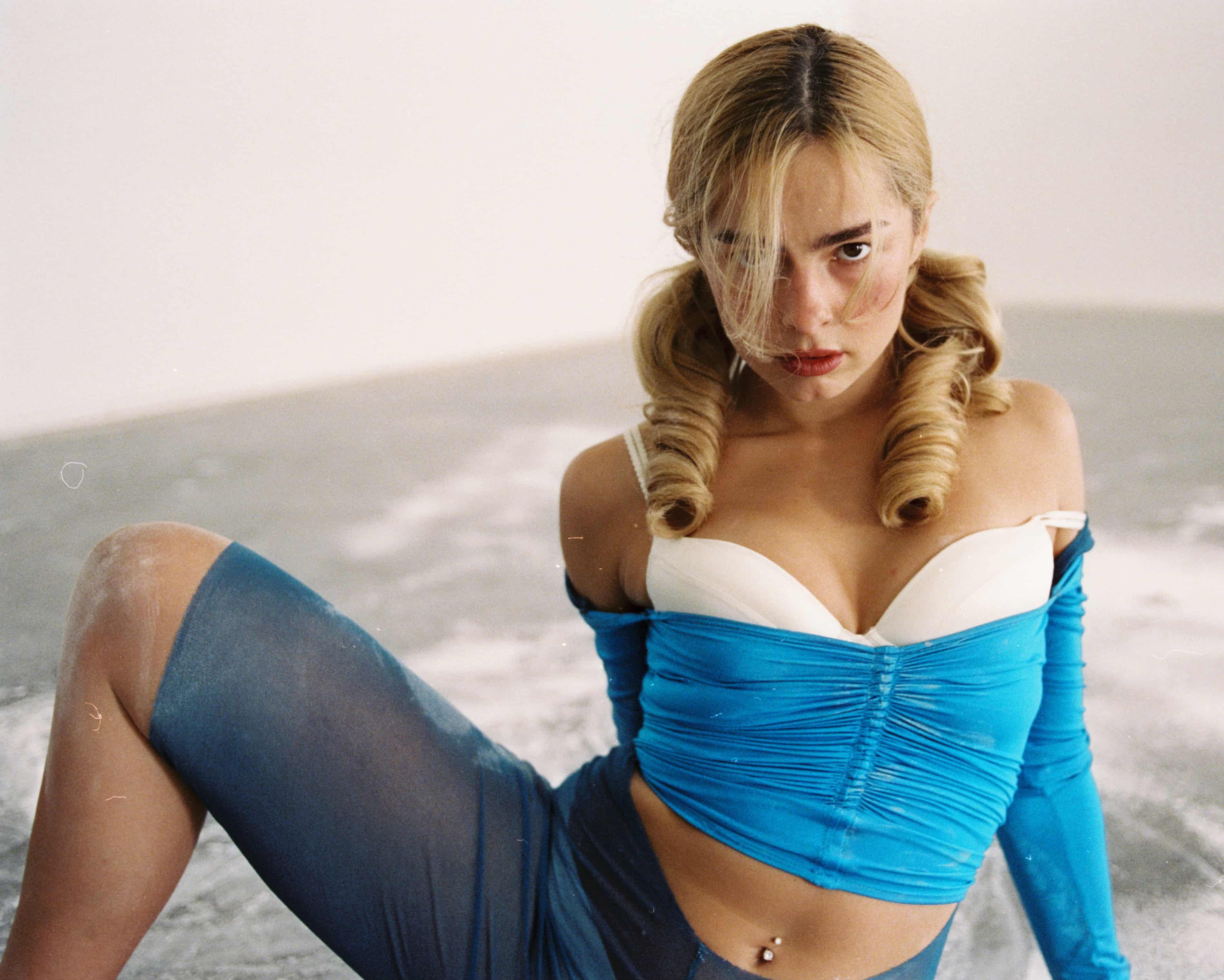
Addison Rae (again! two years in a row!):
“What makes Addison so great is how it seamlessly blends classic, avant-garde, and cult influences like late 90’s Madonna and Russ Meyer films with 2000’s sunny teen nostalgia. These loves and clear childhood memories of how adulthood was imagined by Rae create a wonderful coming of age album that is both glamorous and knowingly still trying to figure things out. The platonic ideal of a pop album.” — Fabiola Liano, writer and director
“From Pygmalion to The Princess Diaries, the world has always loved a makeover narrative. Except the audience has a viscerally different reaction, depending on who is doing the makeover. Henry Higgins transforming Eliza Doolittle, adorable meet-cute. Eliza making herself over? Gold-digger, social-climber, fake. People got real mad at Addison Rae — the TikTok “dancer” turned alt pop starlet — for not being authentic. Her music is too cool, she’s working with stylists and producers way above her perceived social capital, she’s manufactured. Okay, but pop stars are always manufactured? We delight in the Svengali doing a number on the ingenue. To find the princess within. But if the star is self-manufactured, that’s somehow going against the rules. It decenters men as the brains behind the operation. What if, and hear me out because I know it’s fucked up to even say, a woman had beauty and brains? What if she is the artist and the canvas at the same time? What if transformation is an essential part of not only pop stardom, but also life itself? The chuds stuck in their chrysalis will always call the butterfly a poser. Stream “Fame Is a Gun.” — Bethy Squires, writer
Rosalía’s LUX:
“Finally, some fucking food!” I say as I take my eucharist via Rosalía’s LUX, wherein she has transubstantiated her heartbreak into bread and wine. It’s no coincidence that Björk has given her the collab co-sign– this is this generation’s Homogenic. The London Symphony Orchestra’s lush sounds blend so beautifully with the stark electronic production, creating a disparate harmony that gives shape to the fight between the sacred and the profane here. See the “La Perla” music video, where she pairs an ornate chastity belt with low-rise sweats, or the way that opera, flamenco, and electronic music come together across the album. The album cover features Rosalía in a white nun’s habit, and the record is inspired by female saints and cloistresses. Nunsploitation is never out of fashion; there’s something incredibly romantic about giving yourself over to something divine. In fact, this entire record can be an exercise in giving oneself over. Rosalía doesn’t just sing in her native Spanish on this album, she sings in 13 different languages total (note: there was absolutely NO A.I. used on the record). I don’t understand Japanese or Arabic, but when she uses them both on the album I swear I get what she’s expressing. I was trying to think of if there are any skippable points here, but the entire thing flows like an opera. It’s less individual songs than it is different movements that tell a complete story. And look, I gotta point this out: any album that opens with a track called “Sexo, Violencia y Llantas” is gonna hook me. That translates to “sex, violence, and tires.” I know a Crash (1996) reference when I see one.” — Soraya Sebghati, singer of Night Talks and film critic
Doja Cat’s Vie:
“When the genie’s wish voice booms, “If it’s a man she wants, it’s a man she’ll get!” and one feels the spiritual monkey paw curl at the start of “AAAHH MEN!” I’m at risk of beginning to do donuts in the middle of the freeway.” — Veronica Phillips, writer, founder of High Femme
Sabrina Carpenter:
“Why Sabrina? In a media landscape that’s still overwhelmingly male-centered, she didn’t ask for space—she took it. From her cheeky concert outfits to her bold, provocative music videos, Sabrina leaned fully into femininity without apologizing for it, including her on-point song lyrics as well.” — Mattie Bieberly, culture critic
Mac Miller’s Balloonerism
“Mac’s posthumous releases are the most careful and complete of any artist of my lifetime. As I get closer to 26, the age he died, I get more existential about the work he’ll never get to make. I cherish every reminder of what he was able to do in his time here.” — Logan Kenny, director
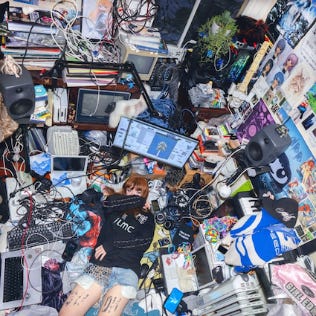
Ninjajirachi’s I Love My Computer:
“Ninjajirachi plays with themes of loneliness and disconnect, amplified by the hyperconnectivity of our chronically online world. She uses songs like “Fuck My Computer” to explore the modern obsession with online connectivity through a quasi-romantic lens and “Infohazard” to examine the casual trauma of accidentally clicking on a gore video as a child.” — Eamon Tracy, film writer
Ethel Cain’s Willoughby Tucker, I Will Always Love You:
“Last summer’s Willoughby Tucker, I’ll Always Love You is comparatively softer than both Preacher’s Daughter and Perverts. Limning the story of Ethel Cain’s fictionalized teenage years, WTIALY manages a synthesis of young Anhedönia’s creative prowess in a way that singles her out as a seminal artist. This album lives in the body, moves through it of its own accord. What is blindly compelling in WTIALY is Anhedönia’s ability to balance the particular against the universal. Ethel’s story, her feelings about her small world are certainly front and centre, but one need not be conversant in the lore to feel moved. Anhedönia’s strength has always been an understanding of place and time, of our embeddedness in a cruel world. Where Lana Del Rey proffers vignettes that seem to exist on a rarefied plane, annexed from real-world consequences, Ethel’s world is drenched in the world’s blood. Anhedönia paints earthly pictures, crafts worlds you can smell, and therefore worlds that transfix. Ethel’s world is political because the personal is the political, is the universal. This is not to say this album is full of sweeping axioms or pithy realizations about human existence. Quite the opposite, actually. This is to say that Anhedönia has wielded a preternaturally keen understanding of how music moves in the body to craft a timeless story. “Janie,” a bleeding track about losing a love to another, fells me every time I hear it, “Nettles” drives me to daydreaming, and “Waco, Texas” wracks me with longing. “I’ve heard it before / From someone who sleeps,” her voice rings on “Tempest” with a humid sort of hopelessness. They’re words so particular to Ethel’s story, but feel as though pried from my soul. Lonely as a weathervane creaking atop a decomposing barn, WTIALY doesn’t leave one feeling lighter for reflecting sadness back to oneself, for being seen; rather, one feels lonelier than ever before because one knows how this story ends.” — Alisha Mughal, writer
friends of high femme’s favorite literature:
Sara Hashem’s Scorched Throne books:
“I would usually contribute a new TV show or film to a list like this. Historically speaking, it’s usually what ends up making the biggest impact on me throughout the year. However, this year, I found myself utterly enchanted by debut author Sara Hashem’s Scorched Throne fantasy duology. It’s rare that an author gets the mix of high fantasy and romance so right, but when someone does, it feels like finding water in a vast desert after weeks of searching. Hashem’s Egyptian-inspired fantasy series is an epic enemies to lovers that takes the concept very seriously. I won’t give away too much, but Sylvia and Arin’s heavy contradictions make you want more. More of their interactions. More of their secrets. And more of their growing connection. Additionally, the author also layered and textured the world building and overall side characters well. Sara Hashem has quickly become one of favorite new authors in the genre.” — Mariana Delgado, founder of Screen Speck
Alisha Mughal’s It Can’t Rain All the Time: The Crow:
“Alisha Mughal’s book debut is the ultimate example of what she has done best as a film critic throughout her career. Weaving the memoiristic with the extremely well-read and well-researched analytic, Alisha offers a piece of cultural analysis on The Crow that is deeply felt both as a writer and as a human. I read it in a day.” —Veronica Phillips, writer, founder of High Femme
Greg Grandin’s America America:
“Everyone needs to read America America by Greg Grandin. He utilizes an elegant Marxist analysis while retelling the story of the Americas and how the empirical conquest by Western civilization through plundering and brutalism has only become more naked and cruel.” — Eamon Tracy, film writer
Emily St. James’ Woodworking:
“Describes adolescence (and second adolescence) with so much intimacy and specificity. The most three-dimensional protagonists I’ve met in the last 12 months. Loved every page.” – Logan Kenny, director
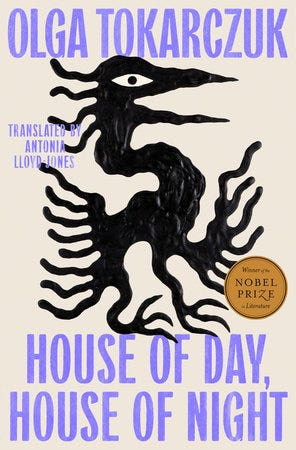
Olga Tokarzcuk’s House of Day, House of Night, newly translated by Antonia Lloyd-Jones
“This is a tiny bit of a cheat because only the translation of this book is new. House of Day, House of Night is a beautiful gem of a novel, meandering through the myths, histories and dreams of a rural Polish town. A beautiful man who drinks too much shares his body with a bird. A monk writes the story of a female saint who grew a beard, secretly wishing for his own transition. Poisonous mushroom recipes are shared, dreams are catalogued and investigated. Everything is fluid here: gender, borders, history, truth.” —- Kayte Terry, critic, artist, and host of “Tender Subject” podcast
Xuanlin Tham’s Revolutionary Desires: The Political Power of the Sex Scene:
“Recently, the sex scene in cinema has been reduced to a social media football, kicked back and forth between two different camps screaming into the digital void: those who find them unnecessary, and those enraged by those who find them unnecessary. Lost in that dreaded discourse is any actual focus upon the meaning, content, arousal, enjoyment, artistry, and unhinged delirium of seeing our deepest impulses represented on screen in our entertainment and our art. Xuanlin Tham’s taut, compact book, Revolutionary Desires, remedies that with its vital and powerful look at the nature of desire, at our bodies as instruments of perception and sexual expression and discovery, and how so little of that is communicated in modern film (and why). A brilliant, nourishing read.” — Travis Woods, writer and professional obsessive
Freya India’s “Nobody Has a Personality Anymore”:
“I only read old books this year, so here is my favorite new essay from 2025. It is a cutting yet empathetic Substack piece about therapeutic culture and the blurry line between personality disorders and normal humanity.” — Brooke Metayer, writer
The Cut’s “Young People Are Helicopter-Parenting Themselves and Each Other”:
“Another really interesting article about the normalization of surveillance culture and the discomfort of freedom. Find my Friends is weird!” — Brooke Metayer, writer
friends of high femme’s favorite video games:
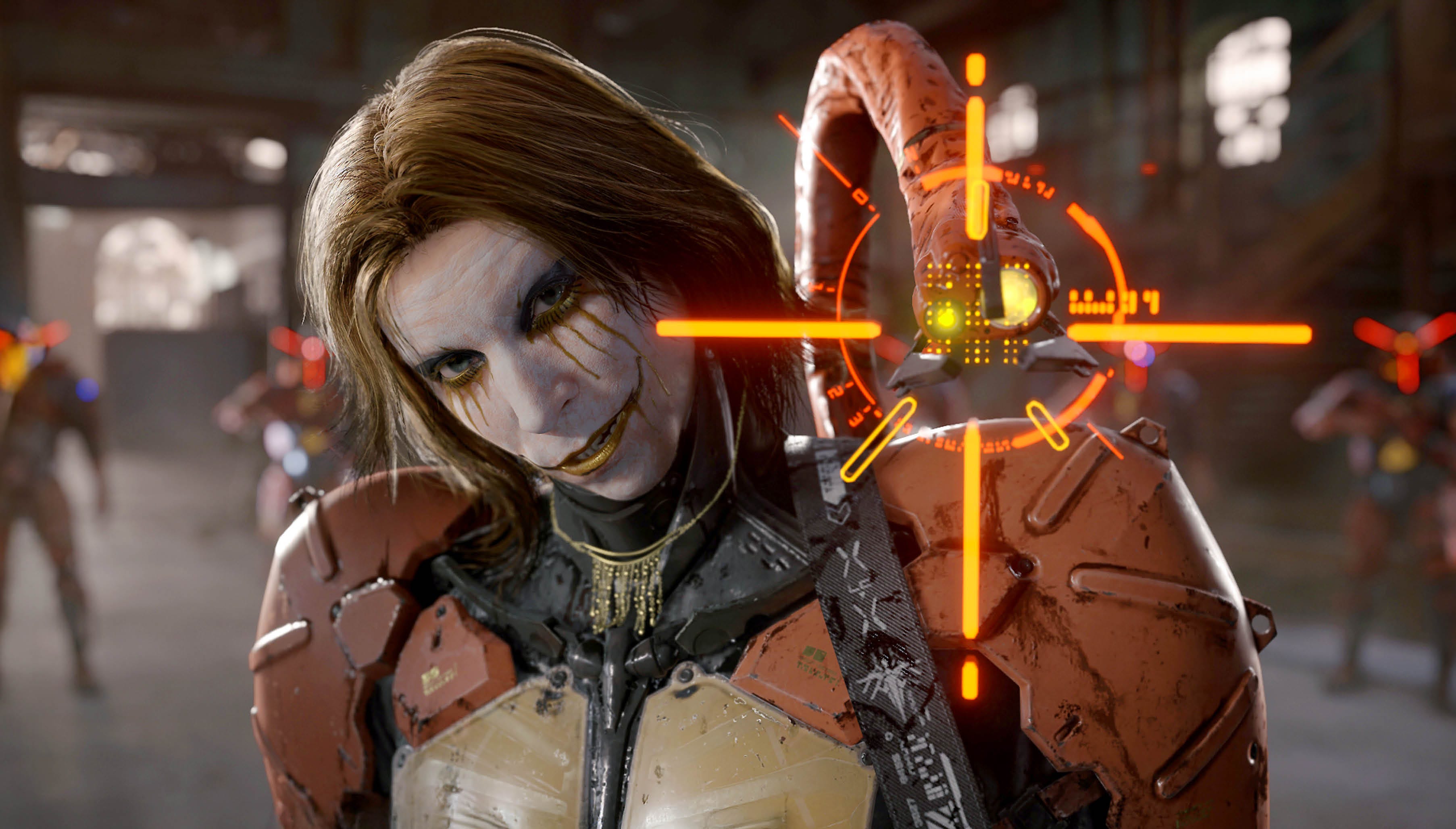
Kojima Productions’ Death Stranding 2: On the Beach:
“This has the most viscerally upsetting moment I’ve ever played in a video game, and continues for dozens of hours afterwards, forcing you to live with (and even mechanise) the grief. Probably my favourite final shot of any game I’ve played.” — Logan Kenny, director
“An online game where you have to guess the mystery country every day in as few guesses as possible. I’ve been playing every day for a couple of months now and I know the name and precise location of nearly all of the world’s countries. East Timor? Easy. Botswana? Above South Africa. Suriname? Between Guyana and French Guiana.” – Brooke Metayer, writer
friends of high femme’s favorite podcasts:
“Podcasts like American Prestige, Radio War Nerd, Turbulence, Blowback, Chapo Trap House all take on various aspects of American empire, geopolitics, and culture buoyed by biting commentary and quick humor. Mary Wild and Hit Factory are some of the best film analysts putting out content today. Mary’s depth of psychoanalysis through a mix of Freud, Jung, and Lacan is always insightful.” — Eamon Tracy, film writer
Molly Lambert’s JENNAWORLD:
“Molly Lambert’s second foray into the defining moments of 1990s and 2000s sexual culture (a time where everything was simultaneously worse and better) is as incredibly compelling and inspiringly researched as her first. This time around, Lambert hones in on porn superstar Jenna Jameson as a launchpad for a portrait of the 1990s media landscape and a history of the porn industry. JENNAWORLD makes me feel like I know everything about every beautiful blonde woman in the sex industry in the 1990s, and thus know everything I would ever need to know.” — Veronica Phillips, writer, founder of High Femme
friends of high femme’s favorite art:
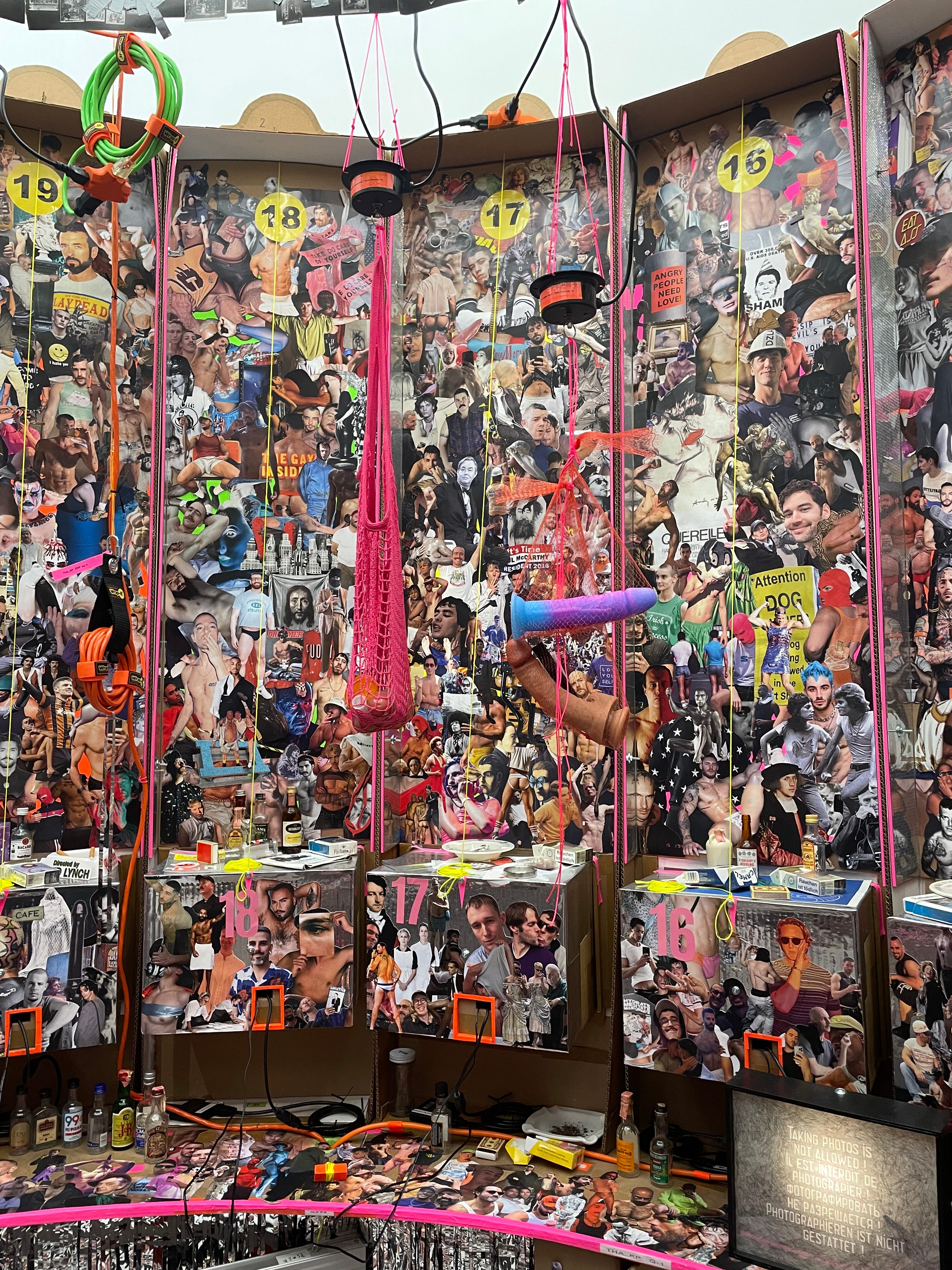
“Have you ever crawled on your hands and knees for art? I did — for Yuval Pudik’s The Hom(o)stead Act: Kaiserpanorama at NOON Projects in Chinatown. The work is modeled after the 19th century early-projection structure where participants could sit and peer through a small hole to watch moving pictures. Pudik understands this invention as inherently homoerotic: the gaze, the clandestine nature of peering through and activating an experience through a hole — and allows you inside of its womb to feel its true power. On the outside of Pudik’s Kaiserpanorama is a technical feat: almost entirely crafted out of cardboard is a work more than ten feet tall, almost exactly mimetic of the traditional structure. The moving pictures inside of the hole are a collage of videos spanning decades to encompass a real survey of pop culture. I recall squinting my right eye to peek with my left and watch an infomercial for a phone sex line, maybe sometime from the 1980s. Inside, however, is a queer wonderland bursting with ephemera from gay bars, Grindr screenshots, glitter, pictures of Divine and Tom of Finland, bottles of alcohol, matchbooks, the like. You can even slide inside with a friend, or a stranger, for a more intimate experience. I never wanted to leave.” — Amorette Muzingo, writer & Critical Bed Theorist